Start with the Right Water Pipe
Choosing a water pipe begins with its intended use. For plumbing or irrigation, confirm the required diameter, pressure rating, temperature range and compatibility with the system. Common materials include PVC, copper, polyethylene and stainless steel; each has different costs, durability and installation requirements. Check local regulations and ask a qualified professional when a pipe will carry drinking water or serve a pressurised system. Compare the full cost, including fittings, delivery and installation, rather than judging by price per metre alone.
What Could Waterpipe.co.uk Be Worth?
A company selling water pipes might consider waterpipe.co.uk because it is short, descriptive and easy to remember. Its value depends on buyer demand, relevant sales history, comparable domain transactions and the commercial use the buyer expects. There is no guaranteed price, and a name alone does not ensure customers or revenue.
As a broad starting point, a company could set an initial negotiation range of roughly £1,000–£5,000, then adjust after an independent domain valuation and checks for trademarks or conflicting business names. A particularly motivated buyer might pay more, while a lack of competing interest could make the domain worth less. Use a reputable domain broker or escrow service, agree on the price in writing, and transfer ownership securely. Treat any estimate as a guide, not a formal appraisal.
How AI Can Support Sales
AI can help a water-pipe seller organise product information, draft clear descriptions and answer routine questions about sizes, materials and delivery. It can also analyse sales records to identify popular products, seasonal patterns and customer groups, helping a business plan stock and promotions. For enquiries, AI can suggest replies or sort requests by urgency, while staff handle technical and safety-critical advice.
Use accurate product specifications and have a knowledgeable person review AI-generated content. Incorrect claims about pressure limits, potable-water suitability or compliance can create safety risks and damage trust. Combine automation with clear human support, transparent pricing and dependable fulfilment. Whether investing in a descriptive business name or improving sales processes, the strongest results come from matching customer needs with reliable products and service.
Understanding Hose Pipe Types
When selecting a hose pipe for gardening, it is crucial to understand the various types available on the market, each with its unique set of characteristics. The most common types include vinyl, rubber, and reinforced hoses, and each offers specific advantages and disadvantages suited to different gardening tasks.
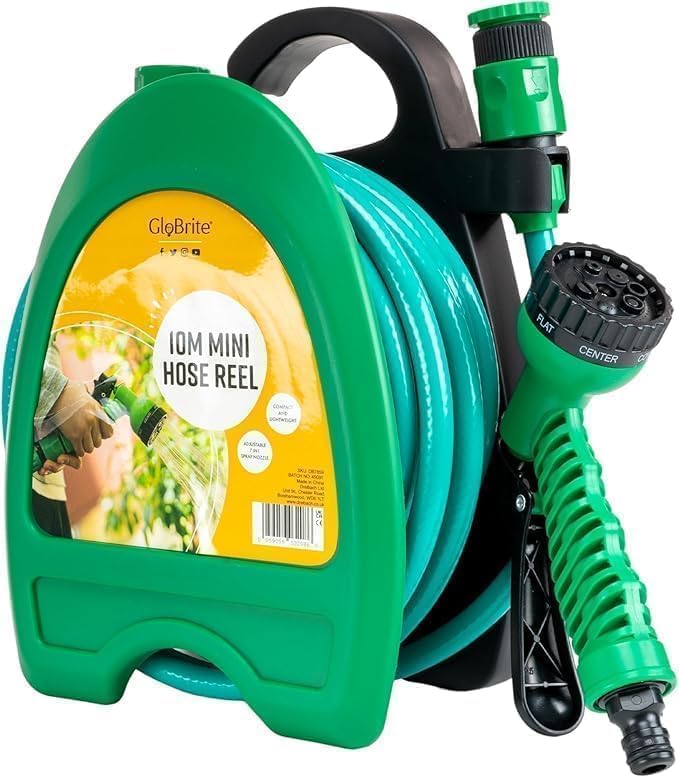

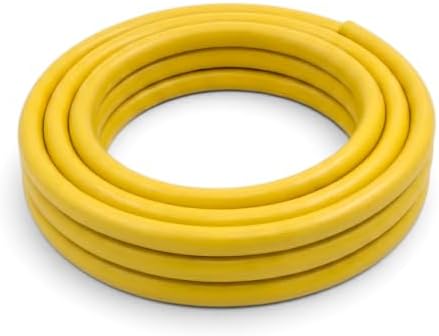


Vinyl hoses are often lightweight and flexible, making them easy to handle and maneuver around plants and garden beds. They are typically more affordable and resist kinks, which can be advantageous when dealing with tight spaces. However, while they are suitable for light watering tasks, they may not endure extreme weather conditions or heavy-duty use over time, leading to potential deterioration.
Rubber hoses, on the other hand, are valued for their durability and resistance to abrasions and UV light. This type of hose tends to withstand higher temperatures and is less prone to cracking in cold weather, thus ensuring a longer lifespan compared to vinyl alternatives. Nonetheless, rubber hoses can be heavier and more cumbersome, making them less desirable for those who prioritize ease of handling.
Lastly, reinforced hoses offer a combination of durability and flexibility. They often feature a construction that includes multiple layers of materials, providing resistance to kinks and reducing the risk of leaks. These hoses are ideal for heavy-duty watering tasks and can withstand challenging conditions, making them well-suited for gardens that require extensive irrigation.
When choosing the right hose pipe, consider factors like flexibility, durability, and resistance to kinks and abrasions. By understanding the strengths and weaknesses of each type, gardeners can ensure they select the most appropriate hose for their specific gardening needs, taking into account the garden size, plant types, and the frequency of watering required.
Key Features to Consider
When selecting a hose pipe for your garden, several key features should be carefully evaluated to ensure it meets your specific needs. Firstly, consider the length of the hose. Garden hose pipes typically come in various lengths, ranging from as short as 25 feet to over 100 feet. The right length will depend on the size of your garden and the distance from your water source. A longer hose provides flexibility, but it may also require additional management to prevent tangling.
Another essential aspect is the diameter of the hose. Common diameters include 1/2 inch, 5/8 inch, and 3/4 inch. A wider diameter allows for a greater flow rate, which can be beneficial for watering larger areas or filling containers quickly. However, choose a diameter that balances the water pressure available at your property to avoid excessive usage and wastage of water.
Material quality is also crucial when determining the longevity and performance of a hose pipe. Options include vinyl, rubber, and reinforced materials. Rubber hoses are known for their durability and resistance to kinking, while vinyl is often lighter and more affordable. Additionally, reinforced hoses can withstand high pressure and are less likely to burst or tear.
Connections are another feature to assess. Look for hoses with solid brass fittings that provide durability and corrosion resistance. Moreover, consider additional features such as retractability or built-in nozzles. A retractable hose can facilitate easy storage, while a hose equipped with a nozzle can provide various spray patterns to suit different gardening tasks.
Maintenance Tips for Garden Hose Pipes
Maintaining your garden hose pipes is crucial to ensure their longevity and efficient performance. One of the first steps in proper maintenance is to always store the hose correctly when not in use. Avoid leaving it on the ground, as this can lead to damage from sunlight, pests, and other environmental factors. Instead, consider using a hose reel or hanger to keep it coiled neatly and off the ground. This practice not only enhances the appearance of your garden but also prevents unnecessary wear and tear on the hose material.
Regularly cleaning the hose is another essential maintenance task. Debris, soil, and algae can accumulate inside and outside the hose, leading to blockages and reduced water flow. To clean the hose, you may use a mild soap solution to scrub the exterior. For internal cleaning, you can fill the hose with water mixed with a gentle cleaner and allow it to sit for a few hours before flushing it out with fresh water.
Preventing kinks in your hose is vital to maintaining optimal water pressure and flow. When using the hose, avoid sharp turns, and always fully extend it before watering. Additionally, investing in a hose with anti-kink features can further help. If kinks do develop, gently work them out without yanking on the hose to minimize damage.
Should you encounter leaks or worn-out fittings, prompt repair actions are necessary. Small leaks can often be fixed using hose repair kits available at garden centers. Alternatively, replacing the entire fitting may be required for larger leaks. Regularly inspecting your hose for signs of wear and taking action early can prolong its service life.
Comparative Review of Popular Hose Pipes
When selecting the right hose pipe for your garden, it is essential to consider various options available in the market. This section will provide a comparative review of several well-known brands, their unique features, price points, and customer feedback to help facilitate your decision-making process.
One of the most popular hose pipes is the Gilmour Flexogen Hose. This hose is known for its durability and flexibility, making it suitable for various gardening tasks. Priced at around $40 for a 50-foot length, it features a strong outer layer resistant to abrasion and UV damage. User feedback highlights its ability to withstand high water pressure without kinking, although some users find it slightly heavier compared to other options.
Another notable option is the Hoselink Retractable Hose Reel. This innovative product allows for hassle-free storage and easy access, featuring a 65-foot hose that retracts automatically after use. It is priced around $180, which may be considered a higher investment. Users frequently commend its durability and ease of installation, although some have expressed concerns over the initial expense.
The Flexzilla Garden Hose is also worth mentioning, famed for its extreme flexibility and lightweight design, priced at approximately $45 for a 50-foot version. Its vibrant color and design are popular among gardeners, and it does not kink, ensuring a smooth water flow. On the downside, some users report that it can be prone to puncturing more easily than sturdier models.
Lastly, the Craftsman Premium Rubber Hose is a favorite for those seeking a robust option. This hose provides excellent performance across temperature variations and is priced around $60 for a 50-foot length. Users appreciate its heavy-duty construction and reliability for various gardening tasks, but the weight can be a drawback for some.
Each of these hose pipe options comes with its own set of advantages and disadvantages, ultimately depending on your specific gardening needs and budget considerations. By reviewing these popular choices, you can make an informed decision that best suits your gardening requirements.